SAWLA Laboratory Survey 2025
Overview
The South African Wine Laboratories Association (SAWLA) conducted a laboratory survey amongst its members during September 2025. A total of 30 laboratories participated, providing valuable insights into laboratory infrastructure, analytical capabilities, quality systems, instrumentation, staff development, and future training requirements.
The results provide a useful snapshot of the South African wine laboratories landscape and will assist SAWLA in planning future workshops, technical support initiatives, and member engagement activities.
Key Findings
1. Laboratory Profile
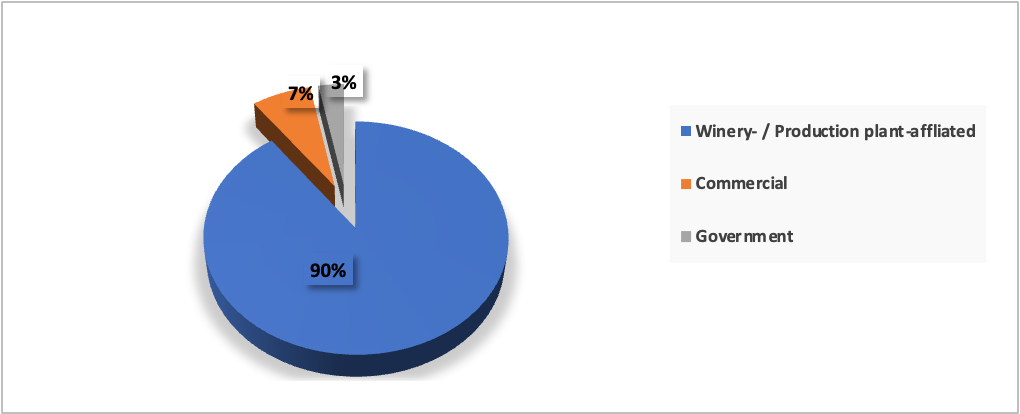
The majority of participating laboratories (90%) are affiliated with wineries or production facilities, highlighting the strong industry representation within SAWLA’s membership.
2. Sample matrices analyzed
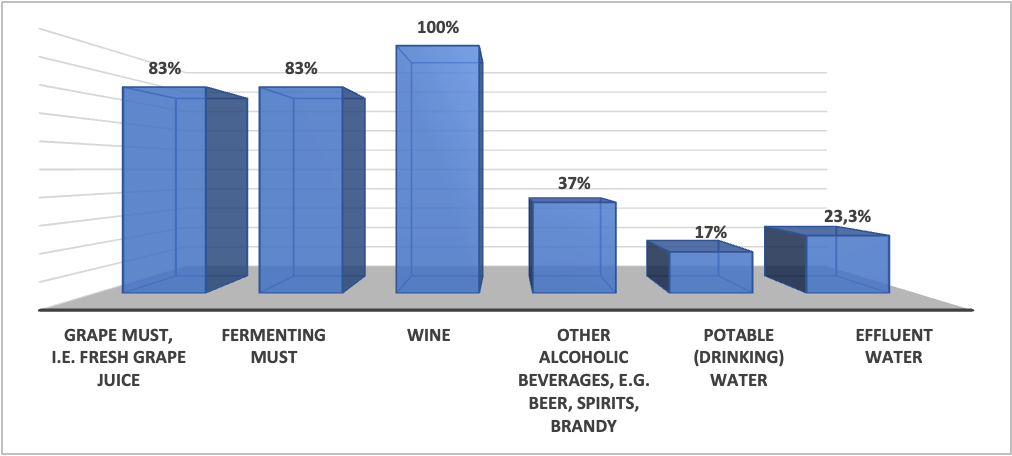
Wine remains the primary matrix analyzed by all participating laboratories (100%), followed by grape must (83.3%) and fermenting must (83.3%). This reflects the critical role laboratories play throughout the winemaking process, from harvest through to final product release.
3. Sample Throughput per Month
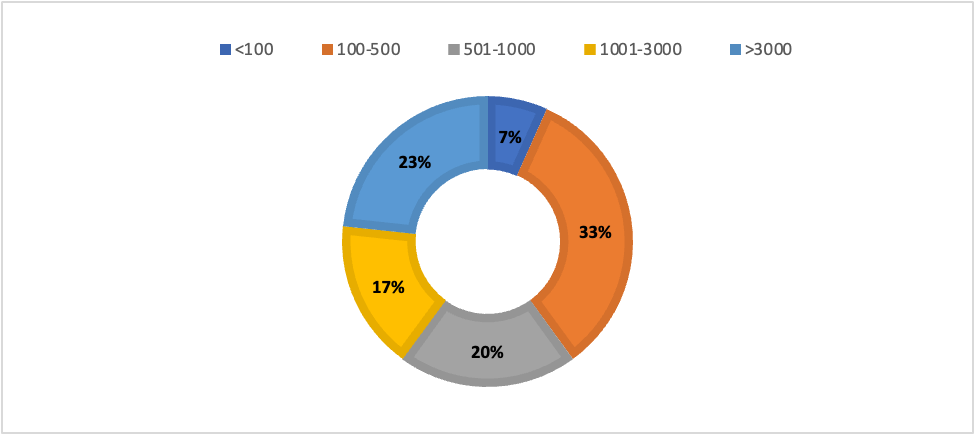
Laboratories reported a wide range of monthly sample volumes, demonstrating the diversity of laboratory sizes and operational requirements across the industry. Notably, 23% of participating laboratories analyze more than 3000 samples per month.
4. Accreditation and Quality Systems
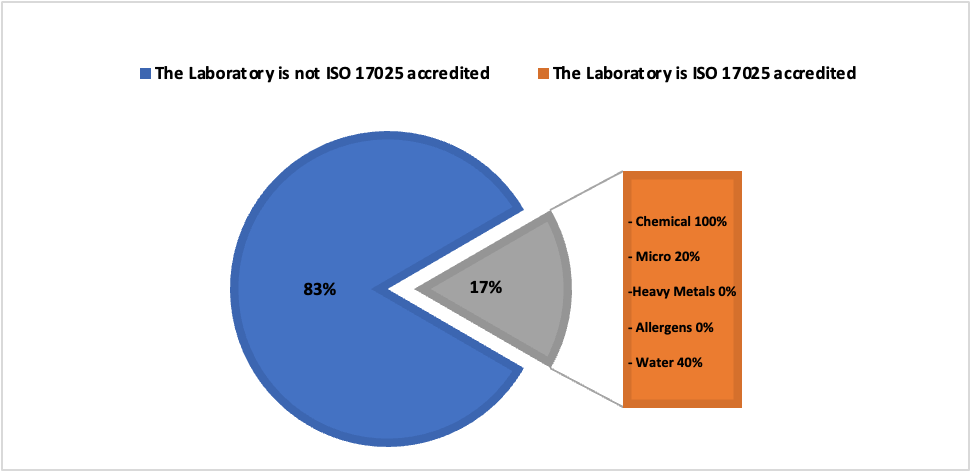
Formal accreditation remains relatively limited within the surveyed group, with 83% of laboratories indicating that they are not ISO 17025 certified or SANAS accredited.
Among accredited laboratories:
- 100% are accredited for chemical analysis
- 40% are accredited for water analysis
- 20% are accredited for microbiological testing
Despite the low level of formal accreditation, quality management practices appear to be well established. All participating laboratories confirmed that they conduct regular maintenance and calibration of laboratory equipment, demonstrating a strong commitment to analytical reliability and quality assurance.
5. Record Management
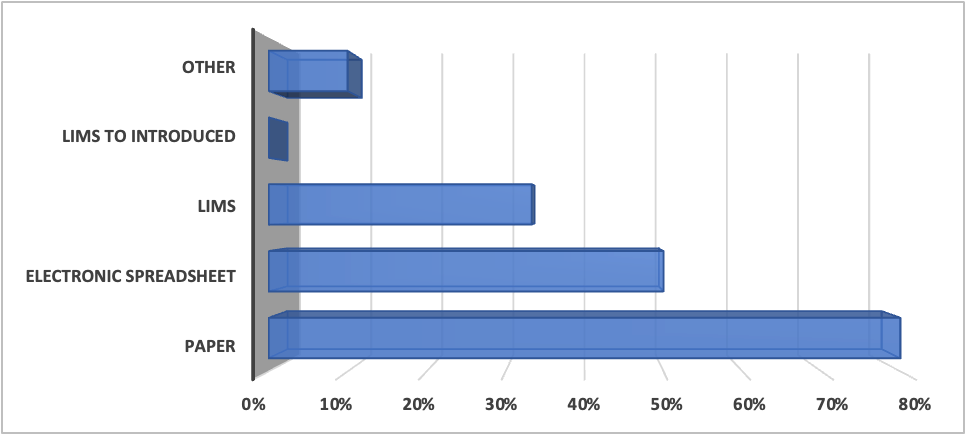
The survey revealed that many laboratories continue to rely on traditional record keeping methods:
- 80% use paper-based systems
- 50% use electronic spreadsheets
- 33% utilize a Laboratory Information Management System (LIMS)
These results suggest opportunities for increased digitalization and laboratory data management in the future.
6. Laboratory Staff
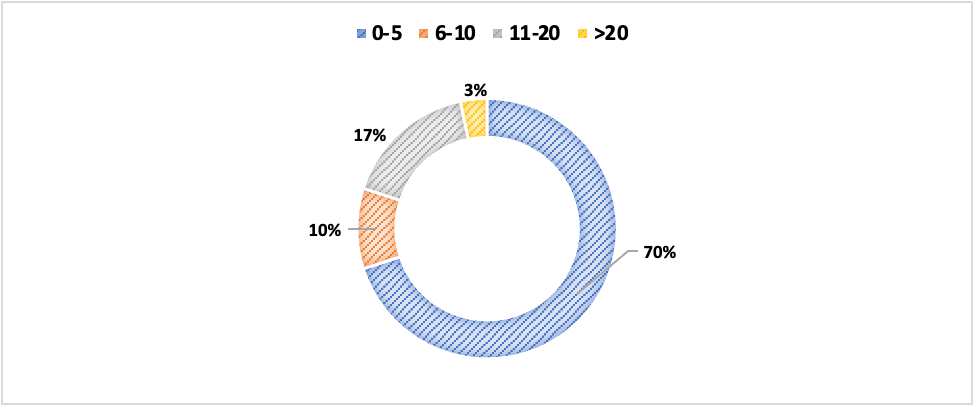
Most participating laboratories operate with relatively small teams:
- 70% employ fewer than five laboratory staff members
- Only 3% reported having more than twenty laboratory employees
This reflects the lean operational structures commonly found within wine industry laboratories.
7. Analytical Capabilities
7.1 Wine Analysis
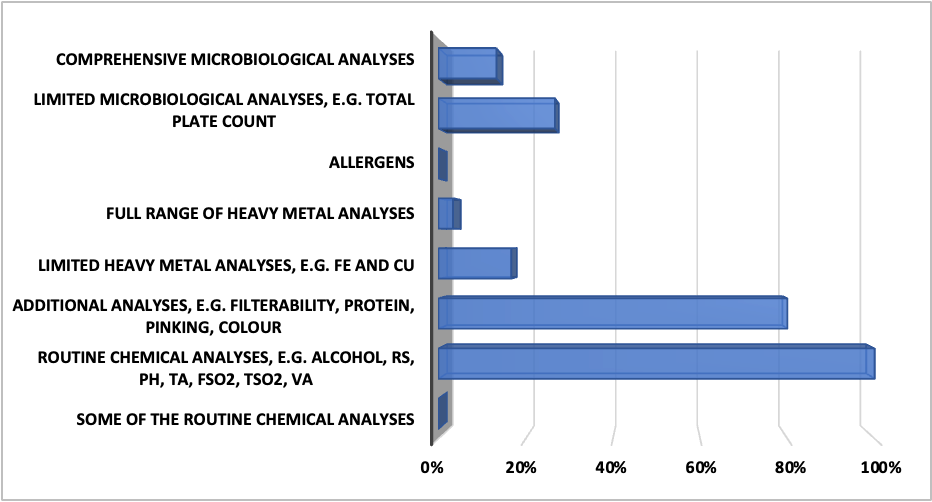
All participating laboratories perform routine wine chemical analyses.
In addition, approximately 80% conduct specialized analyses such as:
- Filterability testing
- Protein stability testing
- Pinking potential assessments
- Colour analysis
Only a small proportion of laboratories currently perform microbiological or heavy metal analyses, indicating potential areas for future capability development.
7.2 Grape Must Analysis
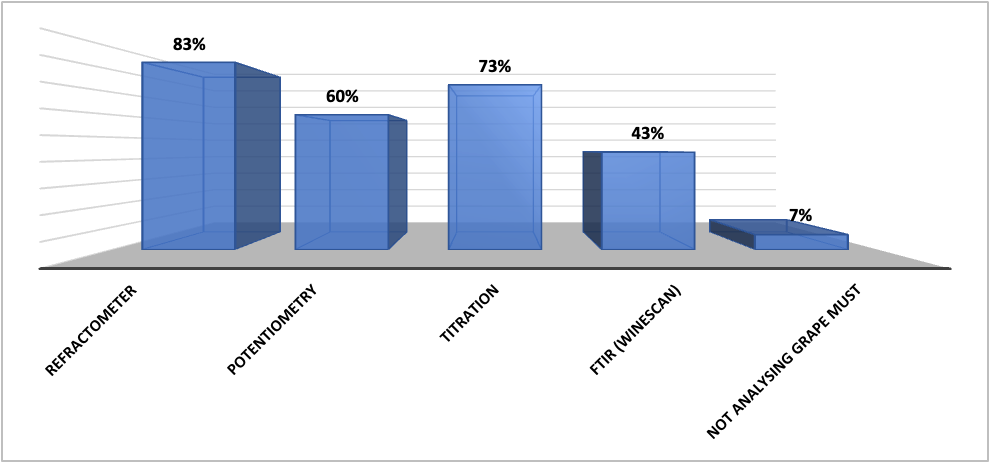
Traditional analytical methods remain widely used for grape must analysis:
- Refractometry for °Brix determination
- Potentiometry for pH measurement
- Titration for titratable acidity
At the same time, 43% of laboratories reported using FTIR technology for grape must analyses, demonstrating increasing adoption of rapid analytical techniques
8. Instrumentation
8.1 FTIR instrumentation
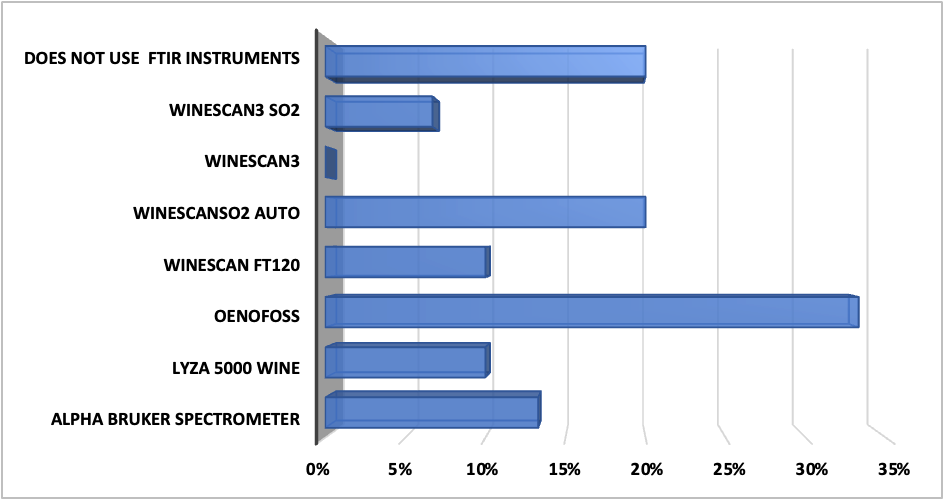
FTIR technology is well established within the South African wine laboratories sector. Systems such as WineScan and OenoFoss are commonly used for routine analyses, while only 20% of laboratories indicated that they do not use FTIR instruments
8.2 Instruments used for enzymatic analyses
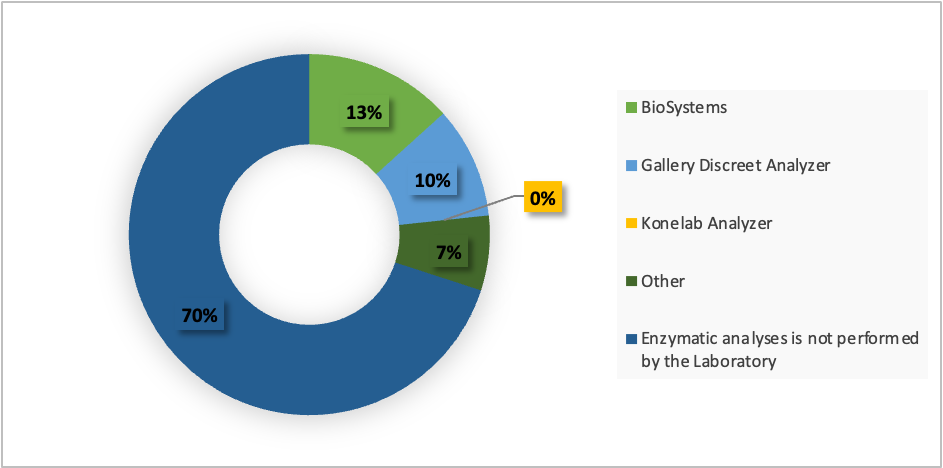
Enzymatic analyses remain less common, with only 30% of laboratories reporting routine use of enzymatic testing methods.
8.3 Routinely used instruments/ techniques
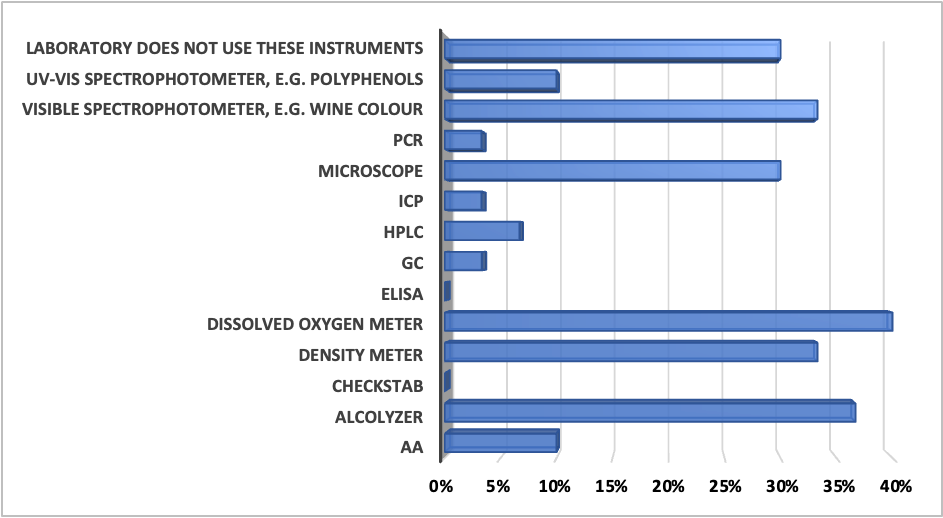
Several laboratories additionally reported using advanced instrumentation including Alcolyzers, density meters, UV-VIS spectrophotometers, GC systems, and dissolved oxygen meters.
9. Training and professional development
9.1 Workshop/Conference attendance in the previous 12 months
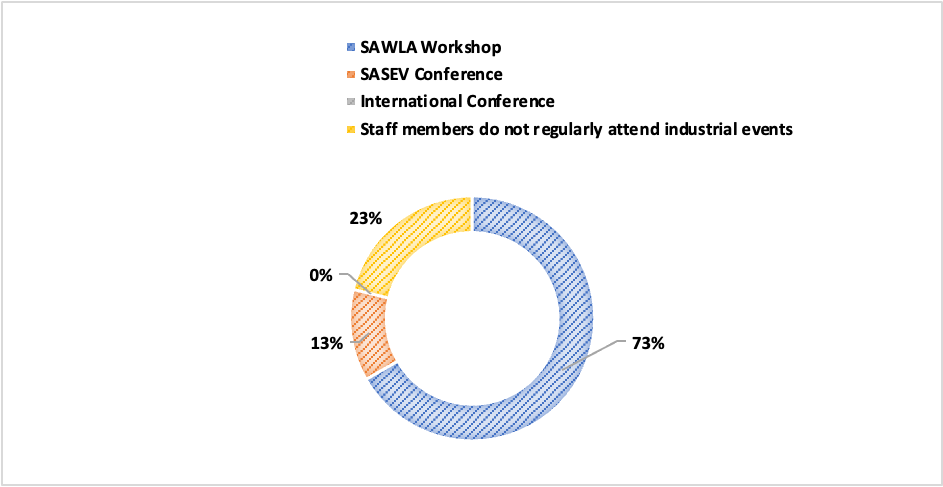
Encouragingly, most laboratories indicated that they had attended at least one SAWLA workshop during the previous 12 months. However, 23% reported that staff members do not regularly participate in industry related events.
9.2 Proposed topics for SAWLA workshops
Feedback from the laboratories highlighted a strong interest in practical, hands-on workshops focused on wine laboratory operations, troubleshooting, and real-world applications. Key themes included laboratory methods, wine chemistry and microbiology, quality assurance and ISO 17025 accreditation, instrument calibration and technologies such as WineScan/OenoFoss, protein stability testing, and standardization of analyses. Members also expressed interest in broader industry topics such as organic and biodynamic wines, labelling regulations, beer analysis, and other alcoholic beverages
Overall, respondents are seeking workshops that are highly practical, industry-relevant, technically current, and focused on improving laboratory accuracy, standardization, and quality management within the wine and beverage industries.
Conclusion
The survey highlights a technically active and quality-focused wine laboratory sector in South Africa. While formal accreditation remains limited amongst participating laboratories, most facilities demonstrate strong operational practices and a commitment to continuous improvement. The feedback received will assist SAWLA in planning future workshops, technical training sessions, and member support initiatives.